What is domestic abuse?
Domestic abuse is defined as: threatening, controlling, coercive behaviour, violence or abuse (psychological, virtual, physical, verbal, sexual, financial or emotional) inflicted on anyone (irrespective of age, ethnicity, religion, gender, gender identity, sexual orientation or any form of disability) by a current or former intimate partner or family member
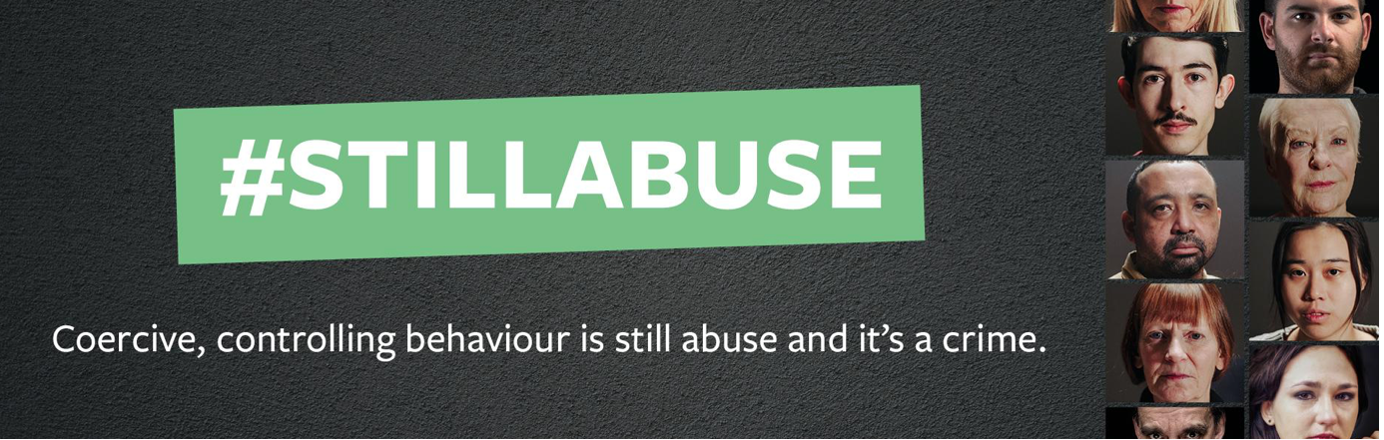
Domestic abuse can take many forms, which may often involve physical violence. However, in many cases domestic abuse will not involve physical violence but may involve a wide range of non-physically abusive behaviour including what is often referred to as coercive control.
Coercive control is controlling behaviour intended to increase dependency on an abuser. It can include things such as:
- Isolating you
- Monitoring what you do
- Denying you freedom
- Gaslighting you
- Controlling your finances
- Making you live by their rules
- Regulating your sexual relationship
- Blackmailing you
What does domestic abuse look like?
Domestic abuse can take many forms. It is a traumatic experience, which for some can be life changing as well as life limiting. It can include, but is not limited to:
- controlling or coercive behaviour, which may make a person dependent on the individual abusing them by isolating them, exploiting them, and/or regulating their everyday behaviour;
- psychological/emotional abuse, that can include verbal abuse (yelling, swearing and insults), gaslighting (making the victim doubt themselves by manipulating the truth), put downs, publicly embarrassing them or blaming them for everything;
- physical abuse (including violent – physical and sexual – or threatening behaviour) and/or indirect physically harmful behaviour. This may include hitting, kicking, slapping, choking, threatening with a weapon or physical assault;
- sexual abuse, when a person is forced (without consent) to participate in unwanted, unsafe or degrading sexual activity. It does not matter that there may previously have been consensual sex. Sexual abuse can also occur online, for example, through grooming and sharing of sexual images;
- economic and financial abuse, where one person deprives their partner or family member of financial resources or ability to make money, which could include restricting access to food, transport and clothes. This creates financial dependency and control, preventing them from leaving the relationship. This is particularly important in the context of the cost of living crisis where many people are facing greater financial difficulties than ever before and may be more vulnerable to this type of abuse;
- online and technological abuse, where technology, social media or other online means are used to control or coerce victims; or
- abusive behaviour (which may encapsulate the above): making the victim dependent on the individual abusing them;---- isolating them from friends, family members or social interaction or support; controlling, regulating or monitoring their day-to-day activities; depriving or restricting their freedom of action; or making them feel frightened, humiliated, degraded, punished or intimidated.